Tracing Regulatory Impacts on the Availability of High-Payout Slots and Live Dealer Interactions in Swiss-Regulated Digital Casinos
Sage Schmid · Oct 23, 2026
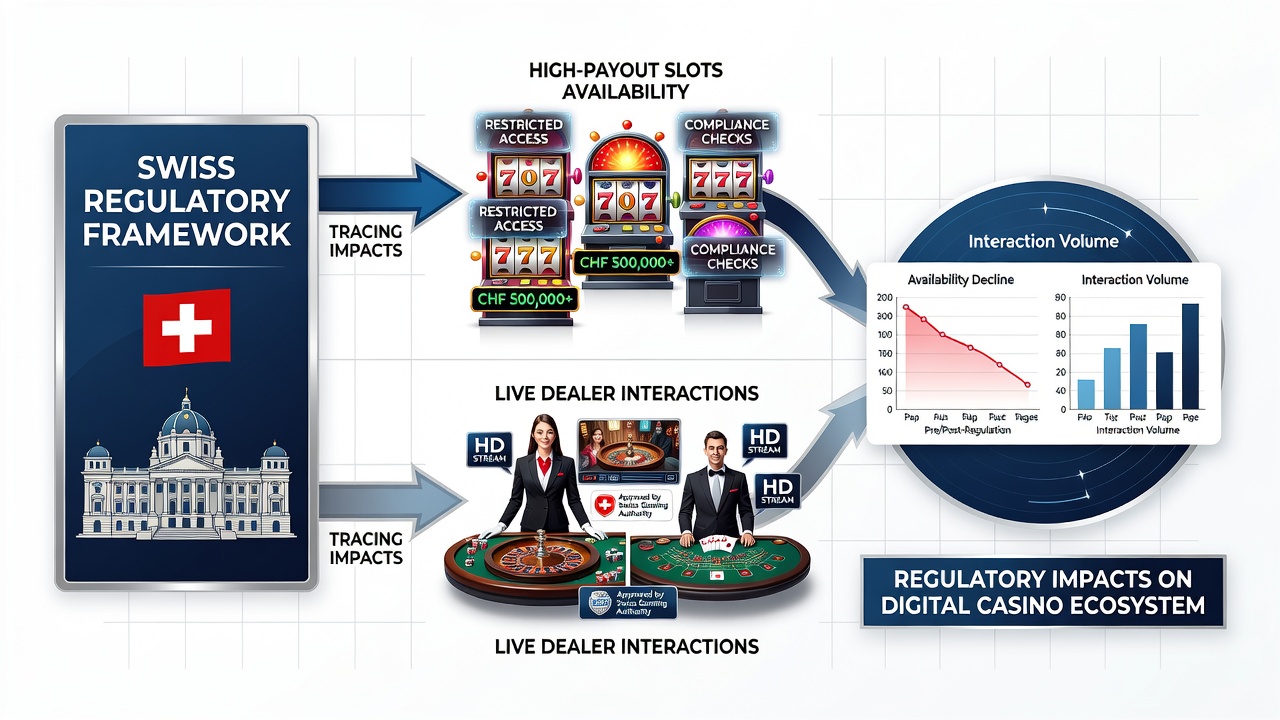
Tracing Regulatory Impacts on the Availability of High-Payout Slots and Live Dealer Interactions in Swiss-Regulated Digital Casinos
Swiss regulatory structures have shaped digital casino offerings since the Federal Act on Gambling came into force, and operators must navigate licensing requirements that directly influence which high-payout slots reach the market along with how live dealer sessions function on licensed platforms. Data from the Swiss Federal Gaming Board indicates that only entities holding a federal concession can provide these games, which creates a controlled environment where payout percentages face ongoing scrutiny and live dealer streams require certified software providers.
Core Licensing Requirements and Market Entry
Operators seeking to offer high-payout slots in Switzerland complete a multi-stage approval process that examines game mathematics, return-to-player rates, and server locations within the country, while live dealer interactions undergo separate technical audits to confirm real-time video integrity and fair dealing procedures. Those who have studied these pathways note that the Swiss authorities require independent testing labs to verify each title before it appears on approved sites, and this step filters out many international games that exceed domestic payout thresholds or lack sufficient randomness certification.
By October 2026 several new concession holders had entered the market after completing these reviews, and their catalogs reflected a narrower selection of high-payout slots compared with unregulated markets because each game must demonstrate compliance with maximum stake limits and progressive jackpot rules tied to Swiss tax calculations.
Effects on High-Payout Slot Availability
High-payout slots, typically defined as titles returning 96 percent or more to players, face additional documentation demands under Swiss oversight, and this requirement has led some providers to adjust their game libraries rather than submit extensive mathematical reports. Research from European gaming analysis groups shows that Swiss-licensed platforms currently list fewer than 150 certified high-payout titles, whereas the same providers maintain larger portfolios in jurisdictions with lighter verification steps.
Operators often bundle these slots with mandatory responsible gaming tools such as loss limits and session timers, and the combination reduces the number of titles that survive final approval while still allowing players access to verified options that meet regulatory standards. Figures released in mid-2026 revealed a 12 percent year-over-year decline in new high-payout slot submissions, yet existing approved games continued to generate steady revenue within the licensed ecosystem.
Live Dealer Integration Under Oversight
Live dealer interactions in Swiss-regulated environments must stream from physical studios located inside approved facilities or through secure remote connections that meet encryption and latency benchmarks set by the Federal Gaming Board. Platforms integrate these sessions with account verification systems that confirm player age and location before each table opens, and this process adds several seconds to initial connections compared with offshore alternatives.
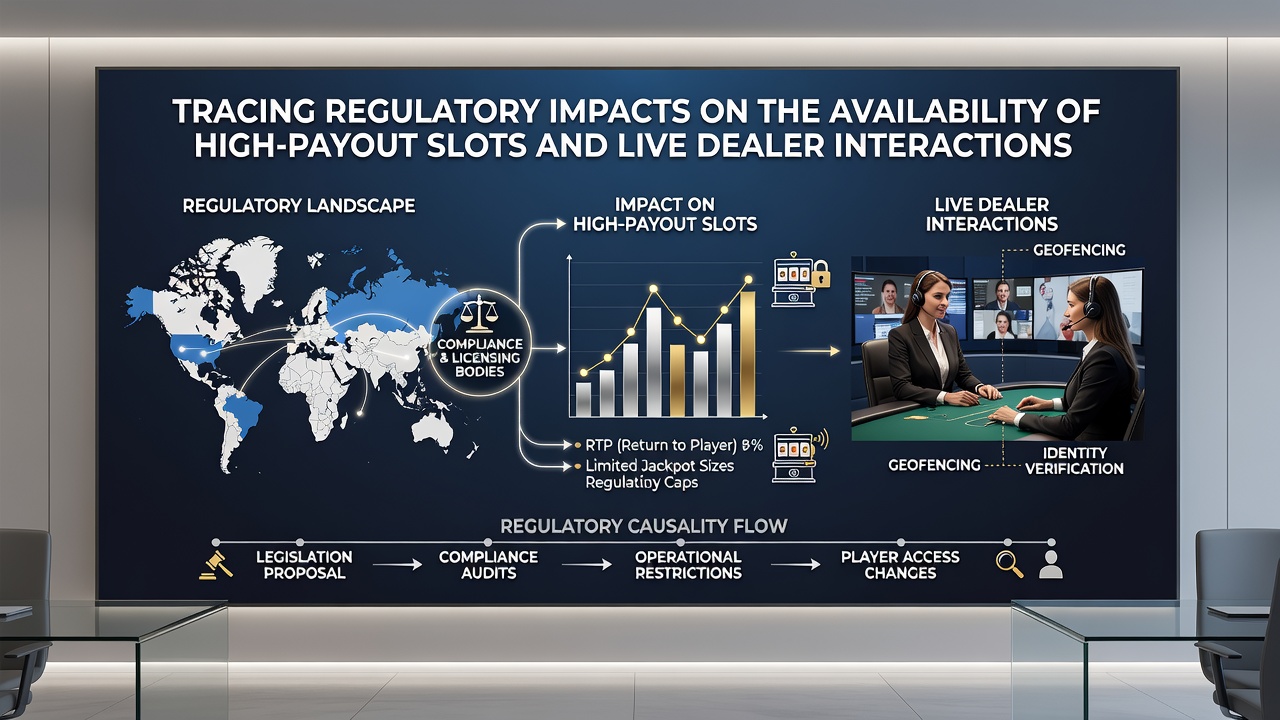
Those monitoring compliance patterns observe that live blackjack, roulette, and baccarat tables require continuous monitoring by on-site inspectors, which raises operational costs and influences the variety of tables available at any given hour. In October 2026 updates to technical guidelines introduced stricter rules on camera angles and dealer identification, prompting several operators to refresh their studio setups to maintain uninterrupted service.
Comparative Data from Other Jurisdictions
Reports compiled by the Australian Gambling Research Centre and the Canadian Gaming Association illustrate how differing regulatory approaches affect game availability, and Swiss rules sit between the more prescriptive European model and the performance-based frameworks used in parts of North America. These comparisons highlight that Swiss platforms maintain higher average payout verification rates yet offer fewer high-payout titles overall.
Industry organizations such as the European Casino Association have published summaries showing that Swiss live dealer tables operate under tighter scheduling restrictions than those in Australia, where 24-hour remote studios face fewer location-based mandates. Such differences underscore the trade-offs between player protection measures and product breadth within each regulatory zone.
Payment and Technical Compliance Overlaps
Secure payment gateways must connect directly to licensed game servers, and this linkage affects how progressive jackpots accumulate across high-payout slots while live dealer bets settle in real time. Regulators require transaction logs to remain accessible for audits, and operators have adapted by implementing unified wallets that handle both slot and table game activity without separate funding steps.
These technical constraints have encouraged some providers to develop modular game engines that satisfy Swiss standards and allow easier updates when new payout or streaming rules emerge, and the result appears in platform stability metrics released during 2026.
Conclusion
Regulatory frameworks in Switzerland continue to determine which high-payout slots and live dealer experiences reach players through licensed digital casinos, and ongoing adjustments in October 2026 demonstrate how verification processes, studio requirements, and technical standards shape the final catalog. Observers tracking these developments note that the balance between consumer safeguards and game variety remains central to the evolution of the regulated market.