Switzerland's Casino Venues Under the Spotlight as November 2026 Data Emerges
Nils Meier · Nov 6, 2026
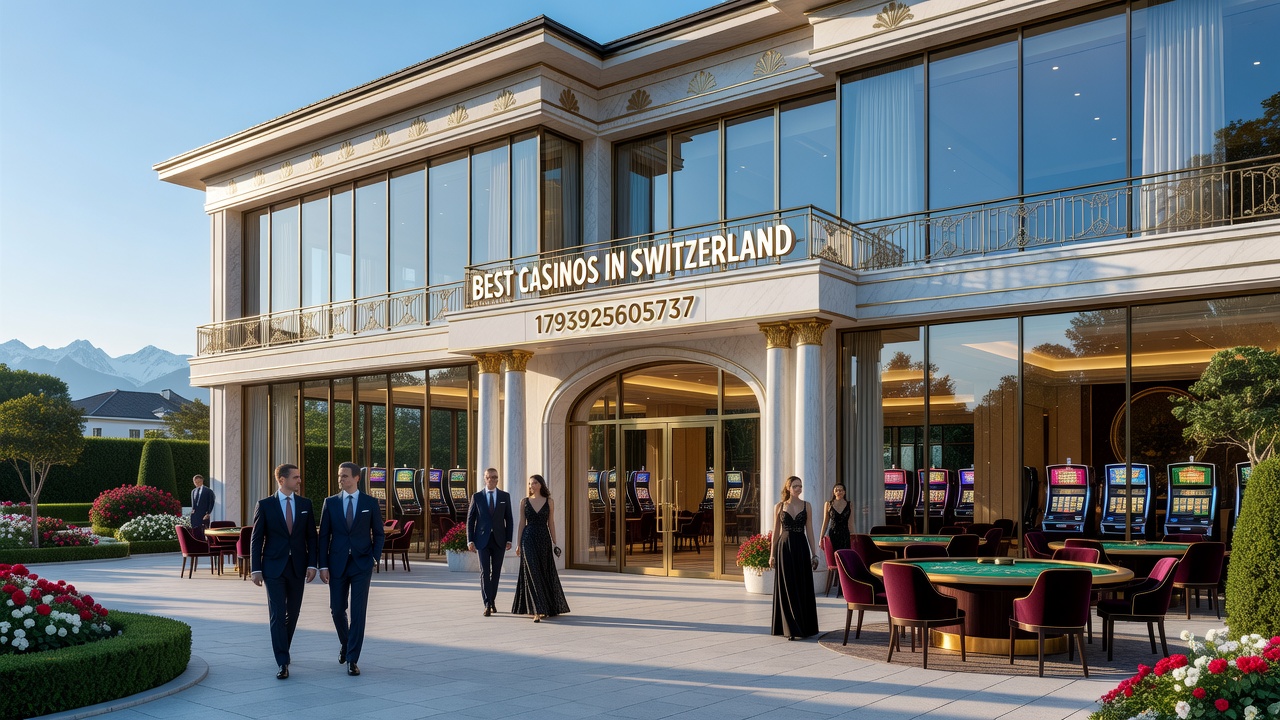
Switzerland's Casino Venues Under the Spotlight as November 2026 Data Emerges
Switzerland maintains a tightly controlled casino sector shaped by federal legislation that dates back decades, and observers note fresh figures released in November 2026 continue to highlight steady visitor patterns across established properties. The Federal Act on Gambling governs operations nationwide, requiring licenses from the Swiss Federal Gaming Board before any venue can open its doors, while regional authorities handle additional oversight at the cantonal level.
Core Regulatory Structure and Venue Requirements
Every licensed casino must adhere to strict player protection measures and financial reporting standards, which researchers at the Federal Office of Justice have tracked consistently since the law's major updates in 2019. Data shows that compliance pathways emphasize secure transaction systems and age verification protocols, resulting in a network of roughly twenty active establishments spread across multiple cantons. Those who've examined the licensing records find that urban centers and tourist regions host the majority of sites, each offering a mix of table games and electronic machines calibrated to local demand.
Prominent Locations Across Key Regions
Casino Baden stands among the longer-running operations, situated near Zurich and drawing both local residents and international travelers with its combination of classic roulette wheels alongside modern slot offerings. Further south, Grand Casino Geneva operates under the same federal framework yet adapts its game selection to reflect the multicultural crowd that frequents the city, including baccarat and poker variants documented in annual compliance filings. Observers note that facilities like Casino Interlaken and Casino St. Moritz leverage alpine tourism traffic, integrating their gaming floors with hospitality services that align with seasonal visitor flows reported through 2026.
Geographic Distribution Patterns
Western Switzerland hosts several prominent sites clustered around Lake Geneva, whereas eastern venues tend toward smaller footprints that still meet federal payout and security thresholds. Figures released in November 2026 by industry monitoring groups indicate consistent revenue contributions from both categories, with larger urban casinos accounting for the bulk of total handle while regional properties maintain steady foot traffic through targeted promotions permitted under current rules. And because cantonal approvals vary slightly, operators often adjust marketing approaches to fit local preferences without breaching overarching federal guidelines.
Payment Systems and Technological Integration
Secure payment linkages form another mandatory component, and studies from European gaming research consortia reveal that Swiss venues have adopted standardized electronic methods to facilitate deposits and withdrawals while maintaining audit trails required by regulators. Mobile access to account management tools has expanded gradually, yet physical venues remain the primary point of play because federal law separates land-based operations from any remote offerings. Those monitoring sector trends point out that technology upgrades in 2026 focused on faster verification systems rather than new game types, keeping the emphasis on compliance over rapid expansion.
Player Experience and Venue Amenities
Each property combines gaming areas with dining and event spaces designed to extend visitor dwell time, a strategy documented in operational reports submitted to the Swiss Federal Gaming Board. For instance, many establishments feature conference facilities that host corporate events alongside regular gaming schedules, creating diversified income streams that buffer against fluctuations in pure gambling revenue. Data indicates that November 2026 attendance levels aligned closely with prior-year benchmarks, suggesting stable demand patterns despite broader economic variables affecting travel.
Looking Ahead
Regulatory bodies continue to evaluate how emerging payment technologies might fit within existing frameworks, and industry associations across Europe track these discussions for potential cross-border insights. Switzerland's model emphasizes measured growth tied directly to licensing conditions, which means any future venue expansions will undergo the same rigorous review process already applied to current operators. Those following the sector expect additional statistical releases throughout late 2026 to provide further clarity on performance metrics across the licensed network.
Conclusion
The combination of federal oversight, regional licensing, and established venue operations defines Switzerland's casino environment as November 2026 draws to a close. Public records and compliance data offer the clearest window into how these properties function within their legal boundaries, allowing stakeholders to assess ongoing developments without speculation. Continued monitoring by official agencies ensures that any adjustments remain grounded in documented performance and regulatory adherence.