Mapping Swiss Casino Compliance Pathways for Emerging Cryptocurrency Payment Options
Nils Meier · Oct 9, 2026
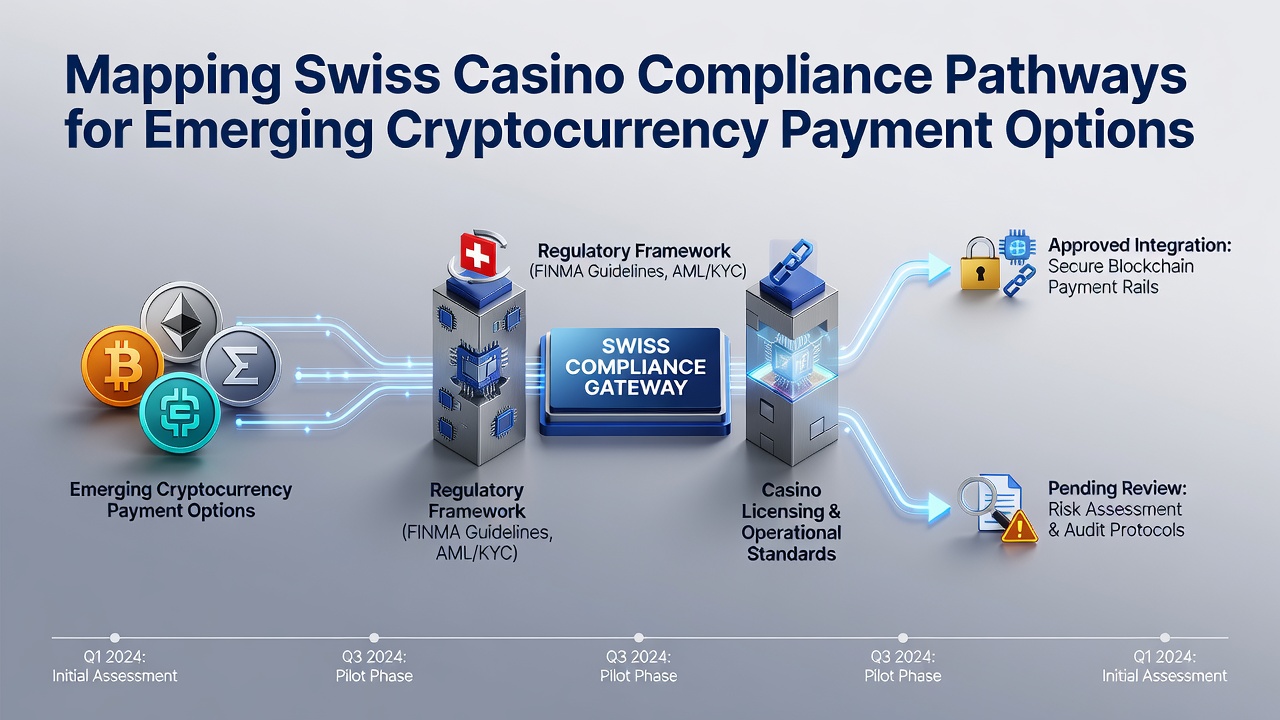
Mapping Swiss Casino Compliance Pathways for Emerging Cryptocurrency Payment Options
Swiss casino operators navigate a detailed compliance structure when integrating cryptocurrency payment systems, and data from federal oversight bodies shows that these pathways combine financial market rules with gambling-specific licensing requirements. The Federal Act on Gambling and the associated ordinances set clear boundaries, while FINMA guidelines address virtual asset handling in licensed venues. Operators must align their payment processing with anti-money laundering standards that apply equally to traditional and digital currencies, creating a unified verification process across both channels.
Recent updates to these frameworks have expanded testing environments for blockchain-based transactions. As of October 2026 several licensed establishments in different cantons have submitted documentation outlining their crypto integration plans, and authorities have responded with phased approval sequences that begin with sandbox trials before moving to full deployment. This approach allows regulators to monitor transaction volumes and security protocols in controlled settings, then adjust parameters based on observed performance metrics.
Regulatory Layers Governing Crypto Adoption
Multiple agencies coordinate oversight of cryptocurrency options in Swiss casinos, and each contributes specific criteria that operators must satisfy before launching new payment methods. The Swiss Federal Gaming Board evaluates game fairness and player protection elements, while FINMA reviews the custody arrangements and wallet security measures tied to virtual assets. Cantonal authorities add location-specific requirements that address local tax reporting and operational transparency rules.
Studies conducted by academic research groups have documented how these overlapping jurisdictions affect implementation timelines. One analysis from a European policy institute revealed that average approval periods for crypto payment systems range between nine and fourteen months, depending on the complexity of the proposed custody solutions. Operators that already maintain robust know-your-customer procedures tend to move through the review stages more efficiently because their existing systems already capture the data points regulators require for virtual asset transactions.
Technical Standards and Security Protocols
Casino technology providers must demonstrate that their cryptocurrency interfaces meet encryption and audit standards equivalent to those applied to fiat payment gateways. Independent testing laboratories evaluate these systems for vulnerabilities, and reports from such evaluations form part of the compliance submission package. Swiss regulators have published technical appendices that specify acceptable consensus mechanisms and key management practices, and operators reference these documents when selecting wallet providers or blockchain networks.
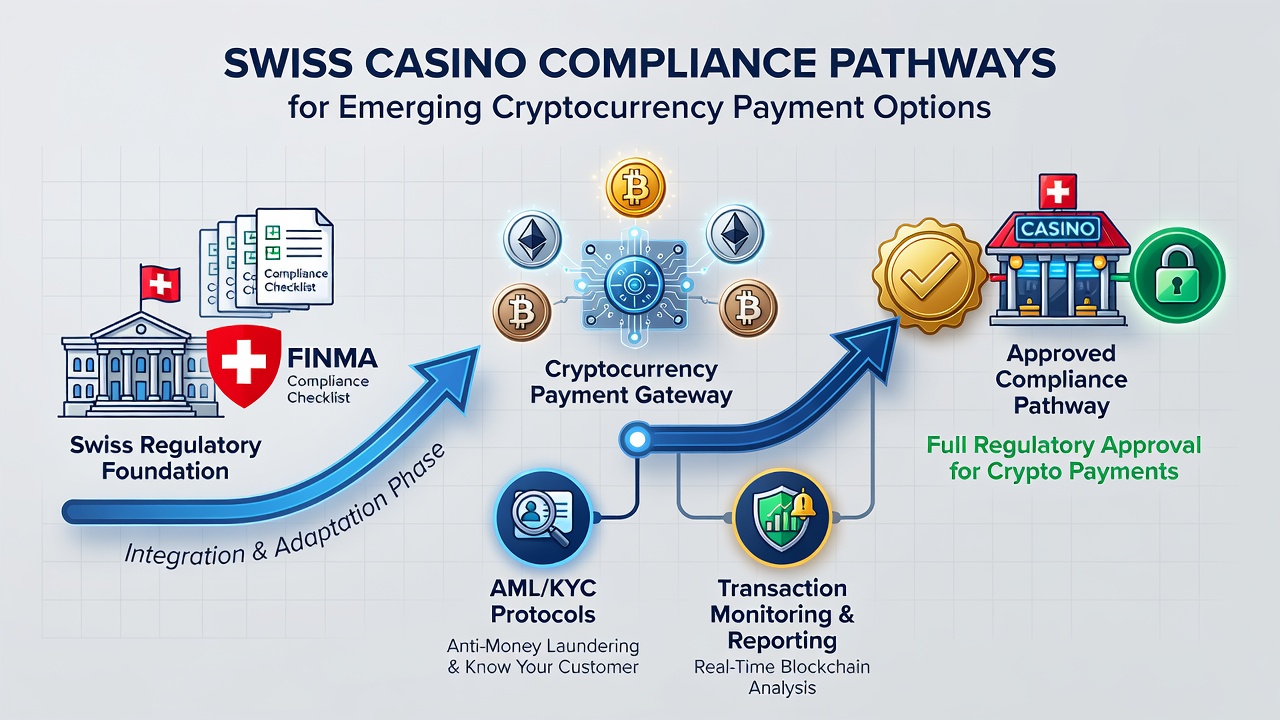
Evidence from industry reports indicates that multi-signature wallet configurations have become a common feature in approved systems, and these setups distribute control across several parties to reduce single-point failure risks. Transaction monitoring tools that flag unusual activity patterns also appear in most compliance frameworks, and the same algorithms used for traditional payment scrutiny now extend to crypto flows. This continuity helps staff apply familiar review processes while adapting to new data formats.
Documentation and Reporting Requirements
Operators compile extensive records that track every stage of cryptocurrency transaction handling, from initial deposit to withdrawal confirmation. These records include wallet addresses, timestamped blockchain entries, and cross-references to player accounts. Quarterly reports submitted to regulatory bodies summarize volume statistics and any anomalies detected during the review period, and these submissions feed into broader risk assessments conducted at the federal level.
Research from international gaming associations shows that jurisdictions with clear documentation templates experience faster onboarding of new payment technologies. Swiss authorities have released standardized forms that cover both fiat and crypto categories, and many operators have integrated these templates into their internal compliance software. The result is a more streamlined data collection process that reduces manual entry errors and supports real-time monitoring dashboards used by oversight teams.
Future Developments in Payment Integration
Industry observers note that emerging stablecoin variants and central bank digital currency pilots could further shape Swiss casino payment landscapes in the coming years. Regulatory sandboxes established in 2025 continue to accept applications from operators interested in testing these instruments, and early participants have reported successful linkage of digital currency rails to existing jackpot and loyalty systems without disrupting core game operations.
Coordination between Swiss agencies and international standards bodies has produced joint guidance documents on cross-border virtual asset transfers, and these documents help casino groups operating in multiple regions maintain consistent compliance postures. Data shared through these channels also informs policy adjustments that keep Swiss frameworks aligned with evolving global practices while preserving the strict player protection measures that define the local market.
Conclusion
Mapping compliance pathways for cryptocurrency payments in Swiss casinos involves coordinated input from financial regulators, gaming authorities, and technical auditors, and the resulting structure supports controlled innovation while upholding established safeguards. Operators that follow the documented sequences and maintain transparent reporting practices position themselves to incorporate new payment options as they receive regulatory clearance. Ongoing data collection from pilot programs and approved deployments will continue to refine these pathways in subsequent review cycles.