Charting Compliance Pathways Linking Secure Transactions to Expansive Live Interaction Features in Alpine-Regulated Digital Venues
Sage Schmid · Nov 20, 2026
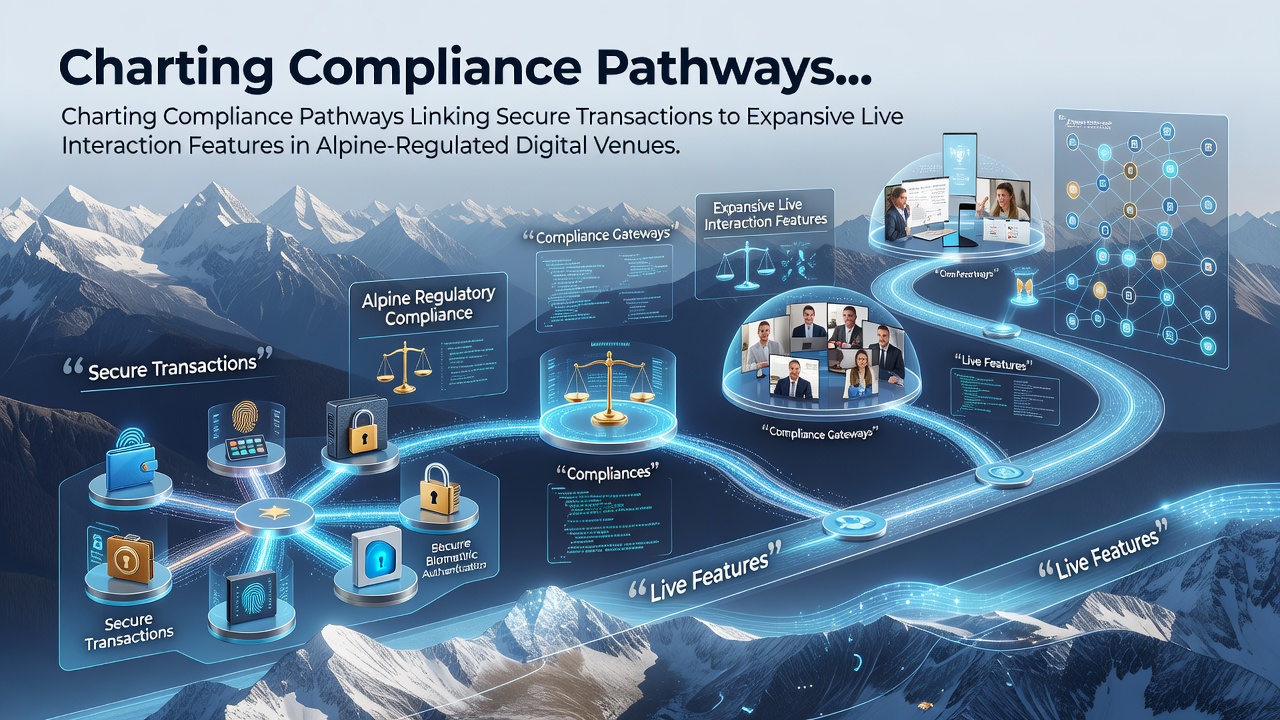
Charting Compliance Pathways Linking Secure Transactions to Expansive Live Interaction Features in Alpine-Regulated Digital Venues
Alpine-regulated digital venues operate under frameworks established by Swiss authorities that require precise alignment between secure transaction protocols and live interaction capabilities, and observers note how these requirements shape platform architecture across licensed operators.
Regulatory Foundations in Swiss Digital Gaming
Swiss legislation mandates that all online casino activities occur through entities holding federal concessions, with the Federal Gaming Board overseeing adherence to standards that govern both financial transfers and real-time player engagement, while data from November 2026 continues to highlight variations in compliance across different venue types. Researchers at institutions such as the University of Zurich have documented how these rules create structured pathways that link payment verification processes directly to live dealer authentication systems.
Operators must implement multi-layered encryption for all monetary exchanges, and this same infrastructure supports the uninterrupted delivery of live video streams that connect players with dealers in real time, according to reports issued by the Swiss Federal Office of Justice. Compliance documentation submitted quarterly demonstrates that any lapse in transaction security triggers immediate review of associated live feature access.
Secure Transaction Mechanisms Under Oversight
Payment gateways in these venues integrate with banking partners approved by national regulators, and studies from the European Gaming Association reveal that transaction logs must remain accessible for audits that also cover live session recordings. This dual-purpose data retention ensures that financial integrity checks occur alongside verification of game fairness during interactive sessions. Platforms handling Swiss-regulated traffic typically employ tokenization methods that protect user details while allowing seamless entry into live dealer environments without additional re-authentication steps.
Figures released in late 2026 indicate steady adoption of instant settlement options that reduce processing delays, and these advancements coincide with expanded live table offerings that maintain strict separation between payment channels and gameplay interfaces. Those who monitor industry filings observe that cryptocurrency options undergo separate vetting procedures before integration with live interaction modules.
Integration of Live Interaction Features
Live dealer studios serving Alpine markets must comply with camera and streaming quality benchmarks set by licensing bodies, and these technical specifications run parallel to requirements for secure fund movement during active play. Game sessions record both visual feeds and associated transaction events in synchronized formats that facilitate post-session reviews. Operators expand live options such as blackjack, roulette, and poker variants only after demonstrating that payment systems can handle concurrent high-volume activity without compromising encryption standards.
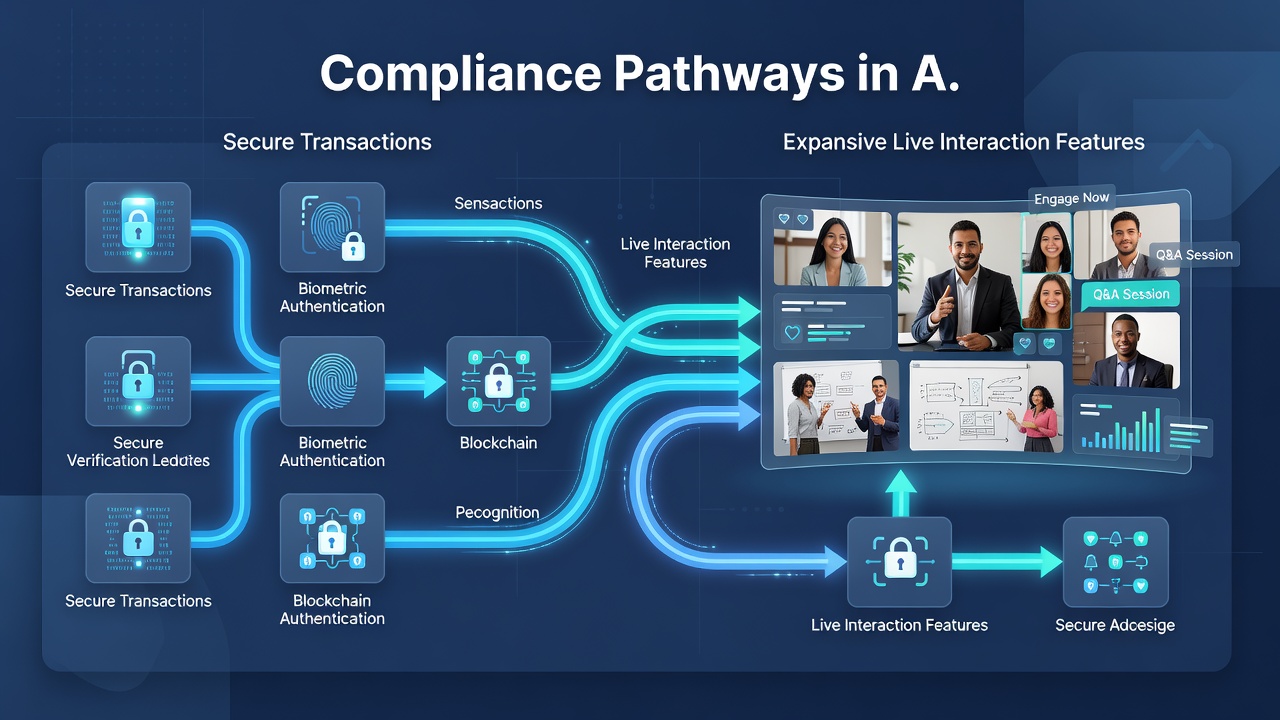
Training protocols for dealers include modules on recognizing transaction-related anomalies, and regulatory updates effective through 2026 emphasize continuous monitoring that ties live session conduct to financial compliance metrics. Industry associations across multiple jurisdictions, including the Canadian Gaming Association, have published comparative analyses showing how Swiss models differ in their emphasis on synchronized security and interaction controls.
Pathways Connecting Transactions to Live Capabilities
Compliance pathways emerge through documented workflows that begin with player registration and extend through each deposit, wager, and withdrawal tied to live tables, and these sequences receive validation from independent testing laboratories before public deployment. Software providers must certify that application programming interfaces between payment processors and live game servers meet predefined latency and security thresholds. When new live features launch, operators submit updated compliance maps that detail how transaction authentication feeds into session management tools.
November 2026 reporting cycles show increased scrutiny on cross-border payment flows that support live interactions, prompting venues to refine their internal audit trails. External reviews by bodies such as the Australian Gambling Research Centre have noted similar integration challenges in other regulated markets, underscoring the technical coordination required to maintain both security and player engagement levels.
Conclusion
Mapping these compliance pathways reveals a system where secure transactions form the foundation for expansive live interaction features within Alpine-regulated digital venues, and ongoing data collection through 2026 continues to refine the standards applied across the sector. Licensed operators navigate these requirements by aligning payment infrastructure with live platform capabilities under continuous regulatory supervision.